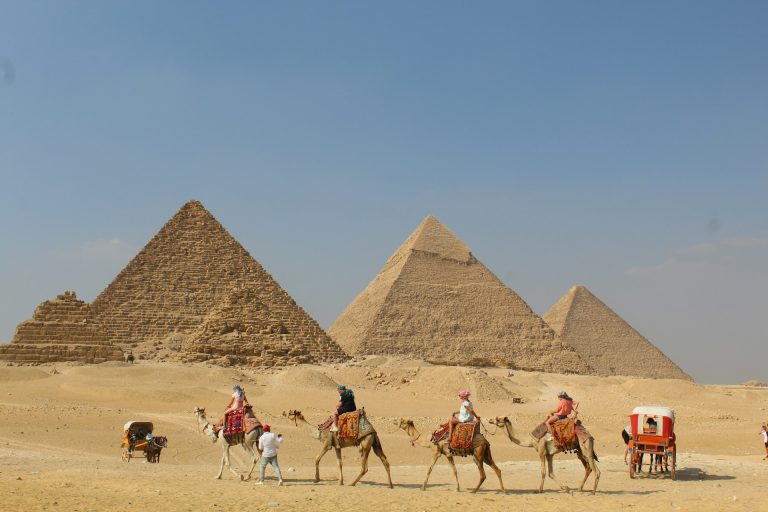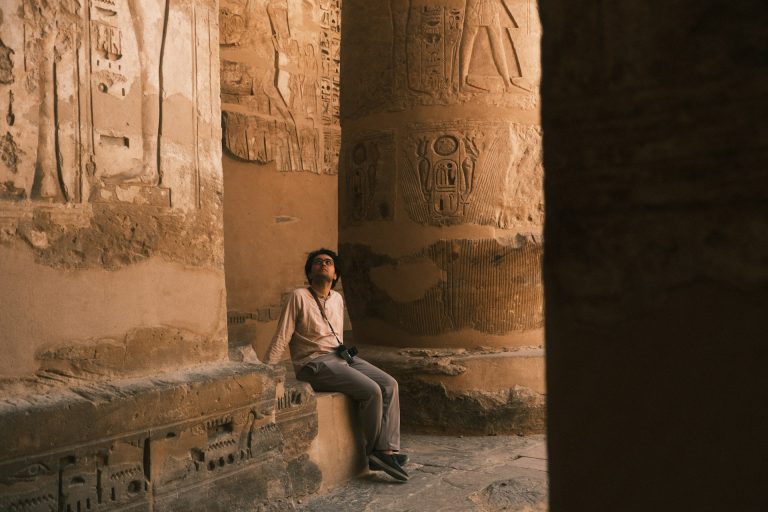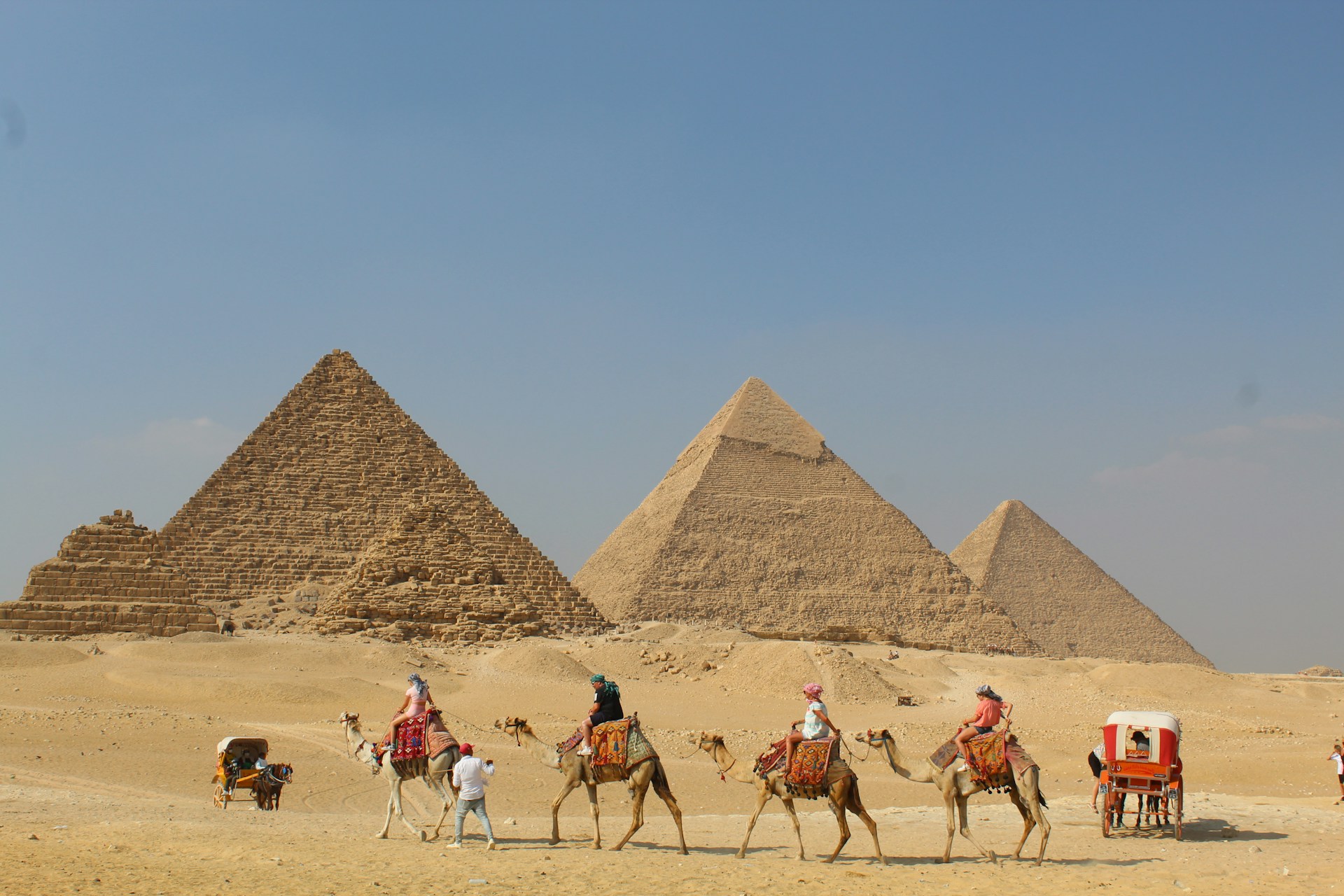
Exploring Egypt’s deserts can be one of the most memorable parts of a warm-season trip, especially between spring and early summer. These stretches of sand, rock, and sky offer unmatched quiet and wide-open beauty. But when the temperatures rise, common desert challenges get a little more serious. Heat, sun, and dry air can get in the way if you’re not ready.
Taking an Egypt desert tour isn’t just about where you go. It’s about knowing when to go, what to bring, and how to stay safe while fully taking in the scenery. This kind of travel calls for some smart planning. We’ve seen that with the right approach, a desert tour from Cairo becomes relaxed, exciting, and safe, even in the warmer months.
Choosing the Right Time for a Desert Tour
The middle of the day is not when you want to be in the open desert, especially from late spring through summer. In places like Cairo, heat can build fast by noon. Most of the time, we recommend early morning tours or ones that start around late afternoon.
Those cooler times of day let you enjoy wide views without the heat dragging you down. Around sunrise, the light is easier on the eyes and the ground hasn’t soaked up all that sun yet. Sunset gives clear skies, cooler air, and a better chance of spotting wildlife.
- Plan sunrise or sunset tours to avoid peak heat
- April and May usually bring moderate temperatures that are easier to handle
- Avoid mid-day tours when the sun is directly overhead and shade is hardest to find
When you go out at these times, you’ll be able to walk and explore longer before the heat becomes too much. That also means there’s more time to rest in comfort after your adventure or to enjoy a peaceful drive back to Cairo as the light fades and the landscape changes color. Starting early or late also helps avoid travel on busy roads and means you’ll see the desert when it’s at its prettiest.
What to Wear and Bring for Safe Exploration
Being prepared starts with what you wear and what you carry. Warm-season desert travel needs gear that lets your body breathe while also guarding it from the sun and wind.
- Go for loose, light-colored tops and bottoms with long sleeves and pants
- Shoes should handle both sand and rocks, open shoes won’t protect you from heat or scrapes
- Pack water bottles that are easy to access and refill
- Bring high-energy snacks like nuts or dried fruit for tours longer than a few hours
- A wide-brimmed hat or scarf gives your face and neck shade
- Sunglasses help with sun glare that can last all day
If space allows, a travel umbrella or foldable sunshade adds a lot of comfort during breaks
Clothes that dry fast and give full coverage work best. Even in Cairo’s drier areas, mornings can shift to strong heat quickly, and the less exposed your skin is, the more energy you’ll have for walking and sightseeing.
TaNefer Tours supplies air-conditioned transfers for desert day trips and helps guests pack essentials like bottled water and snacks. Our licensed guides bring first aid kits, sunblock, and backup maps to every tour.
When you’re packing for the trip, remember that layers are useful, too. Early mornings can feel cool, but by midday the temperature rises quickly. Being able to remove or add a layer helps your body adjust more easily to changes. Sometimes just a light jacket or wrap can be useful for short bursts of wind or if you feel a chill while riding in a vehicle with air conditioning.
Staying Safe in Remote Environments
Some desert sites feel remote, and that’s part of their charm. But they also require more attention to safety. It’s easy to get turned around out there, especially with little shade or reference points.
- Stick with licensed guides who know the area and carry the right gear
- Avoid exploring alone, if something happens, you’ll need help nearby
- Make sure the route is mapped out, especially when cell service is limited
- Use simple emergency signals or radios when phones don’t work
Weather can get weird quickly in these areas. We’ve seen desert winds pick up fast, whipping sand across trails and cooling things down fast even while the sun is shining. That’s one more reason to have someone with experience watching the skies and reading the environment.
It’s helpful to let someone know where you’re going and when you expect to return, especially if your tour isn’t with a group. Give a family member or a hotel contact your schedule, or write it down before you leave. In places with little shade and few roads, staying on a clear path and keeping your group together can make all the difference if you have to adjust plans because of the weather or a misstep.
Hydration and Heat-Related Health Tips
Water might be the most important thing you carry on an Egypt desert tour. Dry, warm air pulls moisture out of your body even when you’re not sweating much. By the time you feel thirsty, dehydration has probably already started.
- Carry at least one liter of water per hour of your trip
- Drink small amounts often rather than waiting to feel dry
- Watch for signs of heat stress like dizziness, nausea, dry mouth, or headaches
- Rest in shade if you start to feel unwell
- Don’t push through, cool down first, especially if your skin feels hot and dry
We always say to treat your first break not as a reward, but as a restart. Resting often keeps your energy steady and gives your body time to stay balanced with temperature and hydration.
Remember to include foods that provide electrolytes, like salty snacks or fruits, which help your body hold on to water more effectively. Avoid drinks that dry you out faster, like those with too much caffeine or sugar. Simple drinks like diluted juice or water with a pinch of salt can keep your hydration levels steady without adding too much sweetness.
If you start feeling tired, take it as a sign to stop and cool down, not as something you should push through. Quick breaks in any shade you can find, or just sitting down on a rock, can help your body recover so you can keep going.
Respecting Wildlife and Natural Conditions
Warmer months bring out all kinds of life in the desert. You might not see much at first, but the desert is always moving under the surface. Lizards, snakes, and small mammals tend to be more active early and late in the day, same as the best times for tours.
- Keep your distance from animals, even if they seem calm
- If you spot something unusual like tracks or holes, don’t poke around
- Walk carefully near shrubs and plants that can hold thorns or house insects
- Never feed animals or drop food scraps
- Pack out all trash, even fruit peels or paper wrappers
Part of desert safety is leaving things the way you found them. It helps others enjoy the trip after you and protects the balance that lets desert plants and wildlife survive through dry seasons.
By showing respect for wildlife and plant life, you make the desert a better place for yourself and for future visitors. Pay attention to the guides’ advice, especially about where it’s safe to walk and which animals are common in the area. Watching animals from a distance lets you enjoy their natural behavior without disturbing them or risking a bite or sting.
Safer Desert Journeys Come with Smart Preparation
Desert travel gets better with practice, but even your first Egypt desert tour can go smoothly with a bit of prep. Whether you’re starting out near Cairo or heading out from the edge of town, what you bring and when you go can shape the entire experience.
We’ve learned to trust the rhythm of the land. That means moving early, resting often, dressing smart, and bringing more water than you think you need. With a plan in place, the desert becomes a place of calm challenge, not stress. You’ll enjoy it more, feel better through the day, and return with memories that aren’t clouded by heat or discomfort. Desert travel is special, and with the right habits, it stays safe and rewarding even when the warm season kicks in.
Planning an unforgettable Egypt desert tour from Cairo starts with choosing experienced guides and a route that matches the best travel season. At Tanefer, we help travelers enjoy these warmer months with smart timing, safe practices, and day plans that fit your schedule. Spring and early summer are ideal for exploring vast desert landscapes without the peak temperatures, especially when you’re well prepared. Discover our Egypt desert tour selections to find the perfect fit for your travel goals, and contact us when you’re ready to begin your adventure.